
Showing posts with label Community Gardens. Show all posts
Showing posts with label Community Gardens. Show all posts
Monday, 5 September 2011


Friday, 15 July 2011
World Kitchen Garden Day
World Kitchen Garden Day is an annual, decentralized celebration of food produced on a human-scale. It is recognized each year on the 4th Sunday of August. It is an opportunity for people around the world to gather in their gardens with friends, family, and members of their local community to celebrate the multiple pleasures and benefits of home-grown, hand-made foods.

Here is the logo.... when you organise a get together you can download it and use it to attract attention.
Activities:
How people celebrate International Kitchen Garden Day and with whom is up to them. Some choose to do so in public ways with large gatherings of friends and neighbours, whereas others opt for a more intimate celebration with close family. Here are a few ideas for some activities you might consider organizing depending on the level of involvement you would like to have:
-a walking tour of gardens in your area
-a kitchen garden or local agriculture potluck
-a kitchen garden taste-test
-a harvest or planting party
-a benefit for a local food/gardening charity
-a kitchen garden "teach in"
-a single food theme party
-an activity at a local farm
-etc

See what they are organising in India at Urban Leaves ....
where this young lad was worried about his pet snail eating his spinach leaves, at a recent celebration in the garden!
 In the USA its all about freedom.... freedom to grow food where you want to.... you won't believe this video.... it makes me feel sick to think that growing vegetables can be a finable offense!!
You can watch the video and read more here
Sunday, 5 June 2011
If only every Suburb had a Community Garden and a Kitchen Gardeners Swap Meet.


Many people today are striving hard to fit into today's culture.
Many of us vegetable gardeners feel a little out of place at social gatherings. We would much prefer to be in our gardens, pruning, planting, weeding, picking or preserving our produce.
Our to do list is endless, sorting seeds, making sauerkraut, pickling olives, transplanting seedlings, propagating cuttings and there is always pruning to be done.
I meet very few gardeners who are not keen to talk about what they have been growing or how the weather is affecting their garden.
So we have this group of home gardeners who meet together every few months and we always have a good time.
When we meet to swap seeds, excess produce and ideas, we also share part of our lives with each other.
We may meet for just a couple of hours but friendships are formed, phone numbers exchanged and the promises are made to share produce as it ripens and matures.
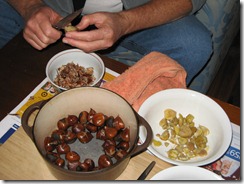
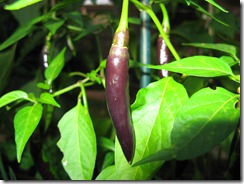
Someone has chokos to share, someone else has excess chillies, another has apples and firewood, the list goes on and on.
Cuttings and prunings, excess seedlings, potted plants are brought and given away.
Cuttings of herbs, curry leaves and berries, ginger, galangal, lemongrass and cardamom plants are divided and shared.
Variety is being added to people's gardens, new plants and ideas are being introduced.
People are taking things home to grow, things they had never heard about before. New flavours are introduced and as people try new things and use them at home, their palates change and they look forward to trying new and interesting plants.


And so for a few short hours people are introduced to new things, new ideas and new challenges.
If we lived in any rural area in any other country it would be a natural thing to save seeds and share with neighbours. But in Australia the majority of people are buying their fruit and veggies from large supermarkets or fruit stores. These unknown, mass farms are often using many harmful chemical sprays and fertilizers to achieve a perfect looking product, which looks good but lacks the flavour and nutritional value of organically grown produce.
Our priorities in life should be healthy pure rain water, fresh clean air, viable seed, local, organically grown food and a healthy lifestyle.


A lifestyle which includes rest and relaxation, time to spend with others, time to share a simple meal or wander around a friend's garden.
When you live in a city you see people constantly rushing around, driving children from one paid activity to another. Children who have been in child care all day are seen throwing tantrums in shopping malls and supermarkets as their hassled parents fill supermarket trollies with chemical laden foods, coloured beverages and other sugar laden sauces, cereals, sweets and cookies.
I guess I am just getting to be a grumpy old granny, but to those of us who grew up in the forties or fifties we remember a much different world.


Most families grew their own vegetables, had chickens for eggs and chicken for a special occasion.
There was no television, people sat and chatted about their day, listened to the radio or read books, played cards or board games.
All the neighbourhood children played cricket on the road, there were fewer cars and people rode their bikes, walked or caught public transport.
Anyone remember going to work in an old steam train?
I did. I caught the train from Liverpool Station to Central station in Sydney. A group of us teenagers met in the same compartment each day and played cards or just chatted.
Now the people I see walking the streets are plugged into their iphones or ipods and don't even look at anyone.
Time is money now, so people rush everywhere, drive like maniacs and have no concern for anyone but themselves.
So it is with great pleasure that I look forward to when our garden group meets again.
Our dream would be for every suburb to have a Community Garden and every Community Garden to have such groups meeting several times a year.

Wednesday, 23 March 2011
Seed and Produce Swap Days
We have been very fortunate to have 2 great Seed Swaps at Glandore Community Garden recently.
We have had lots of new young gardeners join in as well as all the older folks who have been growing food for decades.
There is nothing like getting together with like minded folks and sharing produce, seeds and home made afternoon tea.
It is very easy to arrange seed swaps, just look for a community garden close to where you live.
Find some gardeners who want to save seed and swap produce with each other.
Make a time to do this and you will find it is lots of fun.
This is a collage of our February gathering.
Note : Bob took these photos and said Daniel and Harry were discussing tomatoes, what a great photo!.

Last weeks gathering was also an absolute delight as everyone chatted about what they had brought and were planning to grow in winter.

Thursday, 2 December 2010
Glandore Community Garden
Last weekend some of Adelaide's most famous Gardening Gurus from the Hills and Plains Seedsavers visited the Glandore Community
Garden for a pizza garden afternoon.
Many thanks to Lyn, Helen and Harry and others who made us feel so welcome.
It was a great afternoon, with garden tours of the plots and much discussion over the size of plants and what everyone was growing there.
There was always lots of laughter and great energy as we meet together and planned bumper crops for our own summer gardens.
In the Glandore plots there were lots of winter plants going to seed and lots of summer plants coming along nicely.
The pizza from the wood oven was delicious, thanks again Lyn for setting this all up for us.
There is always something new to learn when we wander around others gardens particularly when everyone there had many, many years of gardening experience.
Some Seedsavers had just come back from touring Italy and told us all about visiting Puglia, home of the Bari cucumbers we grow and an area where Cima di Rapa (another winter vegetable we grow) grows in abundance. We initially got some Rapa seedlings from Andrew who got seeds from an elderly Italian neighbour. We passed on many seeds & seedlings to many others in the group. The Bari cucumber seeds came to our group when an elderly Italian vegetable grower asked Kate to keep his cucumbers growing on. Several Seedsavers did & now we enjoy these unusual cucumbers.
We hope to go back soon for a seed swap and chat about our summer gardens.
Here are some photos from this delightful event.

Thursday, 4 February 2010
MY NEW HOME

On the 18th of January, I arrived in Hobart, Tasmania to stay with my friend Erica and her family for a couple of weeks, looking after their house and dogs and one lovely daughter for one of the weeks while the rest were away on holidays. Well,they have now returned and I am into the 3rd week, hanging around like a bad smell perhaps.... but I have been so enjoying Hobart and surrounds that I have gone and bought a house here!
When you buy a house you need to have a few things in your mind that are so important to you that if just one of them is not right, then you must not go ahead. To me these were:
- The main rooms must be filled with light all year round
- At least 1 acre of land (4,000 m2), already cultivated to some extent, and private
- Quiet..... no road or other noise
- Fertile soil
- Mains water inside and plenty of water for the garden
- Large kitchen
- Energy efficient heating /cooling, including a slow combustion heater
- House in sound condition
- Broadband internet available
- Not too far from a city (less than 1 hour's drive)
- Walking track suitable for taking a dog off the lead
- A nice setting and outlook.... water or hills views
- Flattish land
After these, there are some things that are preferable:
- Mains sewer, not septic
- Insulation
- A house with character and history
- Established fruit trees
- No tall trees on the northern side of the house or garden
- A verandah like Deb's... now I cannot find the photo to show you why!
- Solar panels / solar hot water heating
- Down to earth community
- Doesn't have things I don't want, that make it expensive for all the wrong reasons, like extra bathrooms, fancy kitchen
- Large building suitable for future Bed and Breakfast maybe
And here are some dreams:
- A creek
- A spring
- An established organic veg garden
- Cheap
- Within walking distance to some shops and a cafe
- By the sea


This gorgeous little house in Cygnet, Tasmania, has all of the "must have" requirements and most of the rest as well. There are a couple of extras that I am so excited about..... no water meters and mains water from the Huon River area which comes from the rain forests of wild south west Tasmania.... read that word.... RAIN forests! It has a creek and associated easement running diagonally through it which makes it impossible to sub-divide in the future which means it is much cheaper than other, similar properties. The local GP has a permaculture property rather than a fancy city house. There are blueberry and other berry and fruit farms, and even some organic ones. It is 5 minutes walk to the sea and it has never ever been 40 C .....!! And every few years it snows.... oh is this paradise or what?

Like Pattie, I thought I would have a competition "Who will be the first blog-reader to come and visit me?"
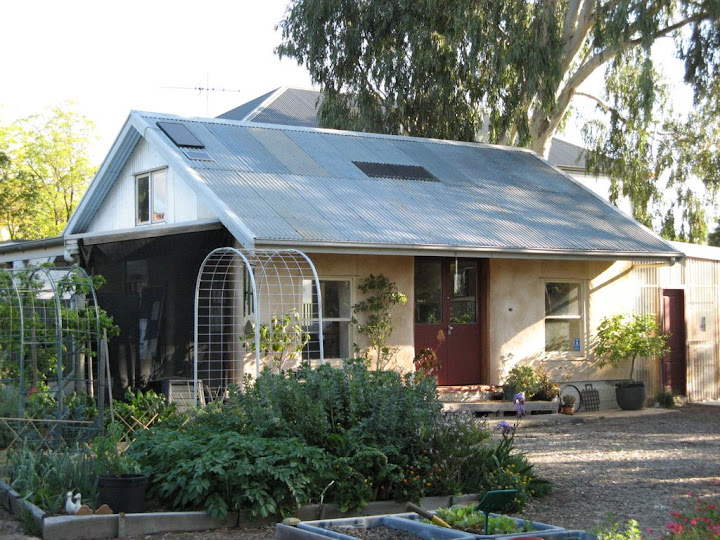
Here is a photo of the future B and B..... but, as you can see, its not ready to use yet so you can sleep inside the house..... or in the quirky, old ship's wheelhouse in the garden !
There are more photos here.
Is anyone else having trouble with photos on Live writer?
Thursday, 3 December 2009
Roosters, Green Eggs, Bottled Pears and Rare Fruits
The second great Food Gardener’s Forum was held on 02/12/09 at Fern Ave. Community Garden in Fullarton.
We enjoyed a beautiful Adelaide day sitting in the garden under the shade of the lovely old elm tree. Guest chooks clucking, the rooster crowing, children playing happily and other gardeners tending their plots. And so we present to you "Meg's notes from under the elm tree."
Here is what Meg wrote:
Three inspiring speakers addressed the audience assembled under the elm tree. In perfect weather conditions, surrounded by productive gardens and serenaded by clucking chooks, we listened intently to the stories being shared. From Morag Bain on keeping chooks, and Dr David Harrison on fruit tree growing in Adelaide, to Dr Pam White motivating the young and old alike to the value of garden produce.
The Forum was the inspiration of Diana Bickford and Cath Caon who recognized a need in the gardening community for sharing the knowledge and wisdom of experienced local food producers.
Diana is planning to have seasonal Forums.Thanks go to Diana, the 3 Speakers, Chris Meehan for helping to transport the chooks and Cath Caon for their organizational help and setting up, and to the audience.


Morag Bain and her helper Chris Meehan
Morag, a Permaculture enthusiast, has kept chooks for the last 6 years, and feels they have significantly contributed to her current well being and good health. She works full-time, but considers herself a micro mini farmer and processes surplus roosters; a task she estimates takes her an hour per bird. Araucana bantams have a gentle nature and lay small green/blue eggs, but Morag has crossed them with other chook breeds to increase the egg size. Isa Brown chooks may only last 18 months, but by crossing them with Araucana Bantams they have a longer laying life
Her 2 roosters have had their wings clipped to prevent them from roosting in trees where it is difficult to get them down when they start crowing at 2.00am!
She finds an incubator is more reliable for raising chooks than leaving it to the hens, as Isa Browns and Rhode Island Reds are hopeless mums. She did bring along a broody hen comfortably enthroned on about 10 eggs in a nest of shredded paper conveniently made in a lawn mower catcher – a very easy and balanced carrying arrangement, and there was no problem with her wanting to escape as she remained committed to sitting on her eggs. Meanwhile her travel companions, a rooster and a hen called “CD”, noisily protested their lack of freedom to explore Fern Ave. Community Garden. Morag demonstrated picking them up and supporting their chest, and then showed us how to calm a flapping chook by stroking its chest against the feathers, or, to get the same effect, by holding the chook upside down by the feet, and running its chest against your leg from your ankle to your thigh.
Morag keeps her chooks in an area about the size of 2 tennis courts. She says you can do anything with them at night. You can put newly hatched chicks under a hen at night and she will accept them as her own, but put them together during the day and the hen will reject them.
Morag sprinkles sifted ash from a wood fire around the dry area where the chooks dust themselves to reduce any scaly feet problems. She has used “Pestene”, but prefers not to, as commercial products have warnings including about keeping it out of the birds and your own eyes.
She recommends keeping their food area covered with wire to prevent visiting pigeons coming in and bringing diseases and infections such as red mite. She only feeds her chooks kitchen scraps that are just borderline for human consumption, if they are really off, they go to the worm farm. Rather than feed the chooks pellets, she feeds them a handful of mixed grains daily from the “Barastoc” or the “Red Hen” product range. It is essential they also have enough water, and somewhere to scratch. Never give chooks a whole egg shell, or it will start eating its own eggs, but you can give them finely crushed egg shell for grit. She recommends going to the Mt Barker Fodder store which also has a good range of chock breeds.

In her Council area chook houses have to have cement floors, and Morag puts bedding straw on top rather than saw dust as it is windy up in the Adelaide Hills. As the chook manure is so strong, she puts the sweepings of straw and manure to soak in water, and after it has steeped a while, dilutes the liquid and uses this on the garden. Her hens all seem to want the same perch and crowd on top of each other, but noticing that chooks that perch the highest tend to survive fox attacks, she has provided high perches and facilitates access with a ladder.
If you have had a rooster with the hens for 2 weeks, you can assume the eggs will be fertile. At 10 days you can candle the eggs, and if you can see a black speck, the eggs are fertile. To check if eggs are fresh, see if they lie flat in water, if they float on top they are only fit for the compost heap. Apparently for every day an egg is kept out of the fridge, it loses a week of freshness.
Morag’s chooks lay about 265 days a year. From her experience, she says it can take 22-26 weeks, rather than 18-20 weeks, for a chook to start laying, and if they are born in late Spring, the 22- 26 weeks takes you up to winter when they don’t lay anyway, so it may be a year before they lay!
You need to keep a minimum of 3 chooks, and one of them will always get picked on by the others. If you want to introduce new chooks to the flock, do it at night, when you can do anything with them.
Dr David Harrison


A recently retired vet, Harry is the President of the South Australian Rare Fruit Society. He regards Adelaide as the ideal place to grow summer fruits because the dry summers prevent many of the problems faced in warm moist Eastern Australia. Also, fruit trees are more efficient users of water than vegetables, so we should concentrate on growing fruit in our hot summers. Harry reckons stone fruit (apricots, nectarines, peaches, plums and almonds) and pome fruit (apples, pears, nashis and quinces) get on ok with less water than you think. Apricot trees especially will do well with no pruning, no fertilizer and no watering. Fig trees, however, like lots of water.
While the average rainfall of Adelaide is 450mls, if you stop all the rain that falls on your home buildings from going into the storm water, you in effect end up doubling the rain water available to the garden.
Using the definition that a weed is a plant that is out of place, Harry regards gum trees as weeds in the garden as they take up too much moisture, and unless mature, do not even offer the benefit of hollows for wildlife. Instead of a gum tree, he recommends Biodiverse native planting such as you see along Windsor Avenue near Fern Ave. Community Garden.
Apricots, and to a lesser extent plums and almonds can handle the hot western sun in summer in Adelaide, but peaches and nectarines are less tolerant. Pome fruits do not handle the hot west sun and should be planted on the south side of buildings, and not where they are exposed to radiated heat from a brick wall. They need a chill factor, and as air flows like water, you can plant Pome trees in a slight hollow, so the cool air sinks in there. By contrast, plant bananas on slightly raised ground which is sloping, so any frost or cold air can flow down the slope and away from the banana.
Harry stressed the importance of the first foot or 30cm of soil for trees. Clay ground should have 5-7cm (2-3 inches) of course sand added, while sandy ground should have 5-7cm (2-3 inches) of clay added, and both need organic material. Before planting, dig a hole and fill it with water to see how it drains. If it takes half a day to drain, it is ok. If it doesn’t drain that well, it could be the ground has been compacted by heavy machinery or animals. In that case use a crowbar to dig down 60-90cm (2-3 feet) and mix in some course sand. Organic material should only be added to the top 15cm (6 inches) of soil, because if it is added deeper than this it will be broken down anaerobic ally (without air), and this is bad for the roots.
The best way to add compost is to just put it on the ground and then cover it with mulch such as pea straw to protect it. Depending how it is made, compost should supply phosphorus, potash and nitrogen. Compost made with a lot of newspaper will have less phosphorus than compost made with chicken manure. Low phosphorus compost is still good to use, as it will still promote beneficial microbial life in the soil, and feed the tree and protect it from less desirable microbes. Pea straw provides no nutrient to the tree because all the goodness goes into the pea, but the straw does provides carbohydrate for the tree, and it needs that to replace the carbohydrates lost in nectar. Spread 5-7 cm (2-3 inches) of compost 2-3 times during the growing season and always cover with loose mulch because compost should never be exposed to sunlight, and mulch on top helps to keep the moisture in and protect the microbes and bugs. Just digging into soil causes carbon and nitrogen to evaporate into the atmosphere.
Harry explained how large scale Agriculture operates like hydroponics, so much of the research and the products designed for use there are not appropriate to the backyard gardener. He has used the granite dusts from Fisher’s Creek in Central Qld., and All Rock from Southern Qld., and he mentioned a new paramagnetic product from Mt Shank near Mt Gambier in South East S.A. which scientists are claiming improves the soil biology but can’t explain why. Harry feels by getting the bugs right, the goodness locked in the soil, wherever it comes from, can be released and used by the plants. As for fertilizer, Harry said it should only be added if the soil itself looks good and if it has a nice rich layer. 80% of the trees feeding is from that first foot of soil, and this is also where oxygen is available. Harry suggested if you do want to grow plants such as lettuce, in summer, in the shade of your fruit trees, you should plant them in raised planting boxes.
He also recommended “Nibble” pruning which can be done each season, and it doesn’t need to be a lot, but is better than not pruning. He also mentioned that it is in winter that you can move and manipulate tree branches, and if you want information about espaliered trees refer to the Rare Fruit Society of South Australia website; Rare Fruit Society of South Australian
Harry recommended reading the book “Designing and maintaining your edible landscape naturally” by Robert Kourik which was originally published in 1986, and was republished in 2005, but is also available from Noarlunga Library.
When it comes to Citrus trees, Harry reckons they need a good haircut in August, and you can really hack them, which enables flowering to happen, and gives strong branches with more fruit. He recommends pruning in Autumn, because citrus trees are subject to sunburn. You can use shade cloth on the west side of the tree to reduce the amount of watering needed in summer. Citrus trees love chook manure and quality compost and regular watering. Harry recommends spreading a thin layer of compost in Spring once the sun has warmed the earth, and then again in early Summer. Spreading compost in late Summer however, will produce too much wasted growth in winter. Cover the compost with a layer of pea straw or sugar cane or chipper mulch to protect it.


Dr Pam White
Pam is a parent, a passionate food gardener, a local GP who is taking some time now to follow her passions. She is keen to convince those not yet growing any of their food to start growing. She wants to reach out and inspire the unconverted, and she does achieve this, in little steps, by just going about and living her convictions. Pam uses her produce in creative ways, including artistically incorporating dry plant materials in gift decoration and potpourri, and in practical ways such as harvesting the bamboo growing in her garden to use for tomato stakes. The garden is a shared family experience, and the family’s expertise ranges from bottled preserves and fresh produce, to motivating visiting teenagers to eat and enjoy unusual flavours and experiences. Pam has another challenge, that of establishing a food garden on Kangaroo Island where she grew up, but which she can only visit a few times a year. She has to relying on rainwater, and accept the kangaroos, and find cultivars that can cope with limited strategic help form her. She has also recently branched into weaving and uses her own home grown grape vines, and has recently attended Deb’s weaving a bit of magic course run at local Nirvana Organic Produce Farm. Pam acknowledges they have failures in their garden and sometimes good food gets recycled into compost as time runs out for preserving and distributing in a timely way. But made into compost, nothing is wasted, it just gets recycled back into another crop, and meanwhile while they still do rely on bought food, they have the health benefits and the great taste of organic food all year.
Thank you Meg for the wonderful information you have written here about the forum.
We look forward to seeing you all at the next forum in March.
Thursday, 19 November 2009
Food Gardeners Forum
Growing your own food? Needing some inspiration??
Come along to the Summer FOOD GARDENER’S FORUM
at
FERN AVE COMMUNITY GARDEN Fullarton
Wednesday 2nd December 2009
10am to 12.30pm
Inspiring guest speakers to discuss the vital importance of food gardening…
Dr David (rare-fruitie) Harrison
Dr Pam White – a passionate food gardening GP
This Forum is part of the Cancer Care Centre Inc community health program
Cost: $10
The morning forum will be held under the elm tree at
Fern Ave Community Garden – please bring a chair
No bookings required
Enquiries : 8379 5086
Keep cool everyone
Maggie
Thursday, 1 October 2009
ORGANIC GARDENING COURSE
Taught by DAVID CORKILL at Fern Avenue Community Garden
Commencing the TUESDAY 13th October 2009
9 weekly sessions from 9:30am to noon
The course includes the topics
soil, water, botany, compost, mulching, propagation, companion planting, weed and pest control.
The cost for the entire course is $70 or $60 concession or $45 pensioner
Enquiries and enrolments phone 8379 8941
This is a FERN AVENUE COMMUNITY GARDEN PROJECT
Monday, 27 July 2009
ORGANIC GARDENING COURSE with DIANA BICKFORD

SEEDS FOR HEALTH - SPRING PROGRAM 2009
Seeds For Health is an organic, grass roots community garden program combining support, education and focus on health in a hands on program designed to equip people to produce their own organic food. An activity of Adelaide’s Cancer Care Centre, Seeds for Health continues a 20 year tradition of innovative and effective health programs.
The course provides skills in organic vegetable gardening, both in gardens and containers, so it will be possible for people to grow their own ‘healthy food’. A holistic experience - providing the opportunity to connect with nature and gain the important health benefits of relaxation, reducing stress and anxiety, increasing self reliance along with a real sense of achievement, and experiencing the fun of great community gardening.
Held at Fern Ave Community Garden
18–20 Fern Avenue, Fullarton
Wednesdays 10am to 12 noon for 7 weeks
commencing AUGUST12th
(lunch provided for a small donation - 12noon to 1pm)
Course fees: $70 for members of Cancer Care, $90 for non-member.
Phone: Cancer Care – 08 8272 2411
Bookings essential
Course Overview
Seeds for Health - insights to organics, permaculture & biodynamics. Sowing seeds for a home grown project.
Kitchen Garden Inspirations - creating productive organic food gardens.
By Design - permaculture ideas for creative Kitchen Gardens (be it a tub or a backyard!).
The Good Earth - care of the soil with organic practices. Cultivating healthy soil - healthy plants - healthy people.
Compost - the most vitally important key to organic food gardening.
Garden management & container growing …… making it all work!
Seeds for the Future - looking ahead - discovering the Seedsavers network.
Inspirational guest speakers & a field visit included in the program.
This course is open to anyone with an interest in health & organic food gardening.
Monday, 27 April 2009
ORGANIC GARDENING COURSE
Most of the good folks of the HILLS AND PLAINS SEEDSAVERS GROUP met as a result of either doing Diana’s Gardening Course or being a helper or guest speaker.
We are such a passionate and veggie loving group of gardeners that I know you will want to be involved in this special course if you are looking to do an organic gardening course.
SO here are the details and lunch this week is homemade veggie soup, crusty bread and seasonal garden salad.
SEE YOU THERE MAGGIE


SEEDS FOR HEALTH
Held at Fern Ave Community Garden
18 – 20 Fern Ave, Fullarton
On
Wednesdays 10am to 12 noon
(with lunch from 12noon to 1pm)
Autumn 2009 course is for 7 weeks beginning Wed 29th April to
10th June
Cost $70.00 (members Cancer Care Centre)
$90.00 (for non-members CCC)
Bookings essential
(by Friday 24th April 2009 )
Course Overview
Seeds for Health— insights to organics, permaculture & biodynamics. Sowing seeds for a home grown project
Kitchen Garden Inspirations - creating productive organic food gardens
By Design — permaculture ideas for creative Kitchen Gardens (be it a tub or a backyard!)
The Good Earth—care of the soil with organic practices. Cultivating healthy soil — healthy plants – healthy people
Compost—the most vitally important key to organic food gardening
Garden management & container growing……. making it all work!
Seeds for the Future—looking ahead - discovering the Seedsavers network
Inspirational guest speakers & a field visit included in the program
This course is open to anyone with an interest in health & organic food gardening.
Monday, 1 December 2008
FERN AVE COMMUNITY GARDEN LEASE
Chook just sent me this email which states that there is a proposal to substantially increase the lease for the Fern Ave Community Garden area by the Unley Council.
Please fill in the online Community Consultation form, saying positive things about the garden (you could mention the environmental & social benefits) and suggest a low annual rent or none at all.
The review finishes tomorrow!
Thursday, 16 October 2008
ORGANIC GARDENING and the GOOD LIFE


Yesterday our group met at the beautiful Fern Avenue community garden to chat about our gardens, ask each other questions, share seeds, seedlings, excess produce, ideas, laughs, stories and a snack.
Our gatherings are very informal. We set a date, someone sends an email reminder and then we just turn up on the day with our seeds or whatever else we want to share.
Somehow we seem to arrive with a box of our give-aways and go home with 2 boxes of goodies to go in our kitchens and gardens.
We bought home lots of pumpkin plants from Kath's. They are self sown and all have been from seedsavers pumpkin seeds of Queensland blue and butternut she grew last year.
Deb bought some wonderful Tangelos from her farm, Cath made a delicious chutney which we enjoyed with crackers, Ting made steamed Taiwanese beetroot rice cakes, Erica bought fresh curry leaves from her tree, we took some lemongrass, lime balm and buttercrunch lettuce seedlings, Viv bought different tomato plants, there were lots of seeds to share and stories of pruning, garden bugs, watering and gardening in pots.
Chook arrived with dear little Peter and her soon to arrive bub seedsaver.
Richard from Diana's last gardening course arrived and told us all about how he is using newspaper to stop water evaporation in foam boxes, he is planting in, to make a roof garden.
Just as we plant seeds we have saved and wait to see what pops up, so our group just appears from their own gardens and all sorts of ideas and experiences just pop up.
It was a lovely spring day, if you want to visit Adelaide, spring is the season to see all the bright rainbow colours of our gardens.
Sometimes people are not interested in our crimson okra, or what's happened to our lemon tree, or why we do not use pesticides, or our discovery of Ting's stinging nettle cakes or saving water in barrels, or Patties foraging, or the 100 varieties of garlic Patrick grew this year, or how to graft fruit trees, or Veggie gnomes new chickens.
But when we seedsavers gather, everyone is interested what is going on in our gardens and what we are growing and harvesting. Suddenly there is so much we want to say and do and share with each other before we head off home with new ideas and new things to grow.
In our world, where many people are not interested or too busy to grow their own food, it is a lovely experience to gather with organic gardeners who want to, stay in tune with the earth and the seasons, prepare GOOD SOIL, grow GOOD FOOD, save GOOD SEEDS, eat ORGANIC FOOD, and live the GOOD LIFE!
Wednesday, 6 August 2008
SPRING GARDENING COURSES
SEEDS FOR HEALTH - SPRING PROGRAM 2008
Diana Bickford will once again be taking the Seeds for Health Gardening Course.
A 7 week program at Fern Ave Community Garden, Fullarton which will
inspire as well as educate! It is held in our organic community garden where
you will witness and taste the magic of home grown produce. Topics include:
sowing seeds, creative garden design, soil management, composting and
more!! Course runs for 7 Wednesdays from 10.00-12.00 commencing August the 27th. Following the course you are invited to stay for “lunch in the garden”
from 12.00-1.00.
Course fees: $50 for members, $80 for non-members
Lunch fees: $5 per lunch
Bookings at Cancer Care Centre Inc. 76-78 Edmund Avenue, Unley SA 5061
phone (08)82722411
She also has a Growing For Health Spring Starter on Wednesday 20th August at 10.30 to 12.30. Cost is $5 bookings to Cancer Care (08)82722411
DAVID CORKILL COURSE
Alternative 3 Inc presents an Evening Organic Gardening Course at Fern Avenue.
Taught by the singing gardener David Corkill.
Topics include soil, compost, propagation, weed and pest control.
Commencing Thursday 16th October 2008
9 weekly sessions 6:00 to 8:30pm
Cost is $70 or $45 pensioner or $60 concession
Enquiries 83798941
NIRVANA ORGANIC FARM
Deb from Nirvana Organic Farm will also be holding a variety of courses.
Topics include farm tour, composting and mulching, organic vegetables for your table, bio-dynamic agriculture, poultry keeping, berries, nuts, fruit and weaving a bit of magic.
Click on the Nirvana Farm link (in the side menu) for more info.
Thursday, 17 July 2008
SEEDSAVERS WEDNESDAY

The question is - how can a group of people spend 3 hours talking about their gardens and what seeds / plants / produce etc they have brought from it to share with the others?

The answer is - when they are the Hills and Plains Seedsavers.We gather in the straw bale house and swap our goodies and eat lots of home-made food and talk, one after the other, about what we brought, what we have been doing in the garden and anything else of relevance.
 I didn't take any notes because I didn't want to miss anything while writing, but now wish I had. Everyone...every single person there....had something interesting and often wonderfully entertaining or fascinating to say. We also had 3 new members.....and that reminds me I still have their $5 lifetime membership fees in my pocket.....anyway, they joined in as though we were old friends. Jan is decorating a spare ceramic toilet bowl which she plans to plant with herbs and put in her front garden! Ting, from Taiwan, brought us some delicious stinging nettle rice cakes and will put the recipe on here when I get around to sending her an invitation to post. Judy is digging up her front lawn and planting fruit trees...and so it goes on.
Cath brought a bucket full to the brim with yacon corms plus the purple roots to plant and a gorgeous basket that someone had creatively made suitable for carrying gardening tools; Deb brought a basket of assorted citrusand other things; Kath of the broccoli fame, brought spinach and other seedlings and Mary...now Mary brought something altogether unusual and I will write a separate thing about it but the gist of it is that it is a type of disgusting looking fungus that multiplies when you feed it black tea and sugar.

.
You soak a small piece of the fungus in the sweet tea for a week durng which time it grows bigger and bigger and then drink the liquid for unbelievable health benefits, the most potent being its ability to fight cancers as discovered in a Russian village.....I will put the photos of this on a separate post.

Outside in the community garden it is a picture postcard type of place and all the vegetables are looking as good as the broccoli in this photo.
You could not hope to meet a nicer, more enthusiastic bunch of crazy food gardeners anywhere!
There are lots more photos here.
Being crazy food gardeners is good. Meet one soon and catch some of their enthusiasm!
.
Subscribe to:
Posts (Atom)


 Posts
Posts


